

Most people have heard that they should visit the dentist every six months, but many patients still wonder if that schedule is truly necessary. Some people rarely have dental issues and assume they can wait longer between appointments. Others deal with cavities, gum concerns, tooth sensitivity, or past dental work and may need to be seen more often.
The truth is that the right dental visit schedule depends on your oral health, your medical history, your habits, and your long-term goals for your smile. For many patients in Medical Lake, Airway Heights, Cheney, and the surrounding Spokane County area, routine dental visits are among the simplest ways to prevent more serious and more expensive dental problems.
At Medical Lake Family Dental, regular dental checkups are designed to help patients stay ahead of cavities, gum disease, oral health changes, and unexpected dental concerns.
Is Every Six Months Really Necessary?
For many patients, visiting the dentist every six months is a good general guideline. This schedule gives your dental team a chance to remove plaque and tartar buildup, check for cavities, evaluate your gums, screen for oral health concerns, and catch small issues before they become larger problems.
Even if your teeth feel fine, there may be concerns developing below the surface. Cavities, gum inflammation, enamel wear, and early signs of infection do not always cause pain right away. By the time discomfort appears, treatment may be more involved than it would have been with earlier detection.
Routine visits are not just about cleaning your teeth. They are about monitoring your overall oral health and helping you protect your smile over time.
What Happens During a Routine Dental Visit?
A routine dental appointment often includes more than patients realize. During your visit, your dental team may review your health history, discuss any changes in your medications, examine your teeth and gums, take digital X-rays if needed, remove plaque and tartar, polish your teeth, and provide personalized home care recommendations.
These appointments may also include screenings for gum disease, oral cancer, bite concerns, teeth grinding, and signs of tooth wear. If your dentist notices something that needs attention, they can explain your options and help you understand what should be prioritized.
You can learn more about preventive appointments through Medical Lake Family Dental’s Cleaning and Prevention page.
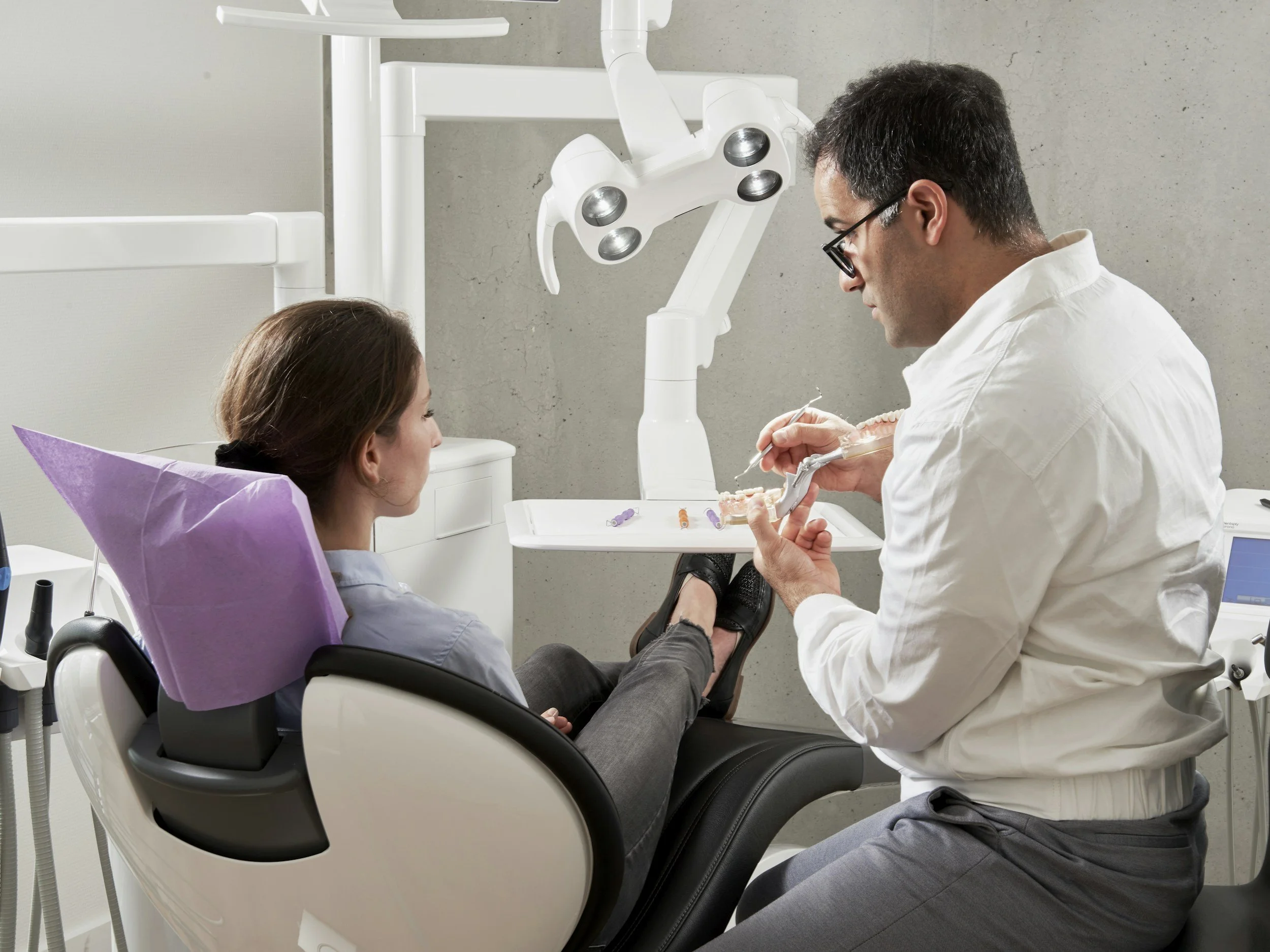
Why Some Patients Need More Frequent Dental Visits
While six-month visits work well for many people, some patients benefit from being seen more often. Your dentist may recommend appointments every three to four months if you have a higher risk for dental problems or if you are managing an existing condition.
More frequent visits may be recommended for patients with:
Gum disease or a history of periodontal treatment
Frequent cavities
Heavy plaque or tartar buildup
Dry mouth
Diabetes or other health conditions that affect oral health
Tobacco use
A history of tooth loss
Dental implants, dentures, crowns, or bridges
Orthodontic treatment, such as braces or Invisalign
Ongoing tooth sensitivity or enamel wear
These visits help your dental team monitor changes more closely and reduce the chance of problems progressing between appointments.
Why Preventive Dental Care Matters
Preventive dental care is one of the best ways to protect both your smile and your budget. When small dental concerns are caught early, they are often easier and more affordable to treat. A small cavity may only need a filling, while an untreated cavity can eventually lead to pain, infection, a root canal, or even tooth loss.
The same is true for gum disease. Early gum inflammation may improve with better home care and professional cleanings. Advanced gum disease can lead to bone loss, loose teeth, and more complex treatment needs.
Routine dental visits give your dentist and hygienist the opportunity to help you stay proactive instead of reactive.
Medical Lake Family Dental offers a full range of dental services, including preventive, restorative, and cosmetic care, as well as specialized treatment options for patients at different stages of life.
What If You Have Not Been to the Dentist in Years?
If it has been several years since your last dental visit, you are not alone. Many people delay care because of anxiety, cost concerns, busy schedules, past dental experiences, or simply not knowing where to start.
The most important thing is taking the first step. Your dental team can evaluate your current oral health, explain what they see, and help create a plan that fits your needs. You do not need to feel embarrassed about the gap in care.
A first appointment after a long break may include a comprehensive exam, digital X-rays, a gum health evaluation, and a discussion about any treatment priorities. Some patients only need a cleaning and updated routine. Others may need a phased treatment plan to address older dental concerns one step at a time.
How Often Should Children Visit the Dentist?
Children usually benefit from regular dental visits every six months as well. These appointments help monitor tooth development, cavity risk, brushing habits, bite alignment, and early orthodontic concerns.
For families in Medical Lake, regular dental care can also help children feel more comfortable at the dentist from a young age. When dental visits become routine, children are less likely to view them as stressful or intimidating.
Parents can also use these visits to ask questions about brushing, flossing, fluoride, thumb sucking, sports mouth guards, diet, and when to consider orthodontic evaluations.
How Often Should Adults Visit the Dentist?
Most adults should plan on seeing the dentist at least twice a year unless their dentist recommends otherwise. Adults often have a mix of preventive, cosmetic, and restorative needs that should be monitored over time.
For example, older fillings can wear down, crowns may need to be checked, gum health can change, and teeth may shift or become more sensitive. Adults who grind their teeth, drink coffee or tea frequently, use tobacco, or have chronic health conditions may need closer monitoring.
Routine dental visits help adults maintain oral health while also identifying opportunities to improve comfort, function, and confidence.
Do Dental Implants, Dentures, or Crowns Change How Often You Should Go?
Yes, dental restorations need ongoing care too. Dental implants, dentures, crowns, bridges, and fillings are designed to restore function and appearance, but they still require monitoring during regular dental visits.
Your dentist can check the fit, stability, and condition of your dental work. They can also examine the surrounding teeth, gums, and bone structure to ensure everything remains healthy.
If you have missing teeth or are exploring tooth replacement options, Medical Lake Family Dental provides solutions such as dental implants and dentures.
Signs You Should Schedule a Dental Visit Sooner
You should not wait for your next routine cleaning if something feels wrong. Dental issues can progress quickly, especially when pain, swelling, infection, or damage is involved.
Schedule an appointment sooner if you notice:
Tooth pain or pressure
Swollen or bleeding gums
A cracked, chipped, or broken tooth
A loose crown or filling
Jaw pain or headaches
Persistent bad breath
Sores in the mouth that do not heal
Sudden sensitivity to hot or cold
Pain when chewing
A change in the fit of dentures or retainers
If you are dealing with urgent dental pain or unexpected damage, Medical Lake Family Dental offers Emergency Dentistry for patients who need prompt care.

How to Maintain Your Smile Between Visits
Your dental visits are important, but your daily home care routine plays a major role in your long-term oral health.
Between appointments, focus on:
Brushing twice a day with fluoride toothpaste
Flossing daily
Drinking plenty of water
Limiting sugary snacks and drinks
Avoiding tobacco products
Wearing a night guard if you grind your teeth
Wearing a sports guard during contact activities
Following your dentist’s specific home care recommendations
If you are unsure whether your routine is working well, ask your hygienist during your next cleaning. Small changes in brushing technique, flossing habits, or product selection can make a big difference.
Finding the Right Dental Schedule for You
The best dental visit schedule is the one that matches your specific health needs. For many patients, every six months is a strong starting point. For others, more frequent visits may be recommended to manage gum disease, prevent decay, protect dental restorations, or monitor ongoing concerns.
Your dentist can help you understand what schedule makes the most sense based on your teeth, gums, lifestyle, medical history, and treatment goals.
Schedule Preventive Dental Care in Medical Lake, WA
If it has been six months or longer since your last dental visit, now is a good time to schedule your next appointment. Preventive dental care helps protect your teeth, gums, confidence, and overall quality of life.
At Medical Lake Family Dental, patients receive personalized, comfort-focused care in a welcoming environment. Whether you are due for a routine cleaning, returning after time away, or looking for a new dentist near Medical Lake, their team is ready to help you take the next step.
Frequently Asked Questions About Dentists
-
Most adults should schedule dental checkups and cleanings every six months. However, patients with gum disease, frequent cavities, or certain medical conditions may need more frequent visits.
-
Some patients with excellent oral health may be able to extend the time between visits, but only if recommended by their dentist. Regular exams help detect problems before symptoms appear.
-
Skipping cleanings can allow plaque and tartar to build up, increasing your risk of cavities, gum disease, bad breath, and more extensive dental treatment in the future.
-
Children typically benefit from dental visits every six months to monitor growth, prevent cavities, and establish healthy oral hygiene habits.
-
Yes. Dental implants, crowns, bridges, and dentures should be evaluated regularly to ensure they remain functional and that surrounding tissues stay healthy.
-
You should contact your dentist right away if you experience tooth pain, swelling, bleeding gums, a broken tooth, a lost filling, or any signs of infection.
